The Mount Pleasant Indian Industrial Boarding School was established as a residential institution for indigenous children and is a site of trauma due to the abuse, neglect, and loss they suffered.The landscape of these institutions was a primary tool to achieve their assimilationist goals. This research examines the Mount Pleasant Indian Industrial Boarding School through archival, archaeological and oral history evidence. The landscape and material record of this school also indicate that students vigorously resisted the institution.
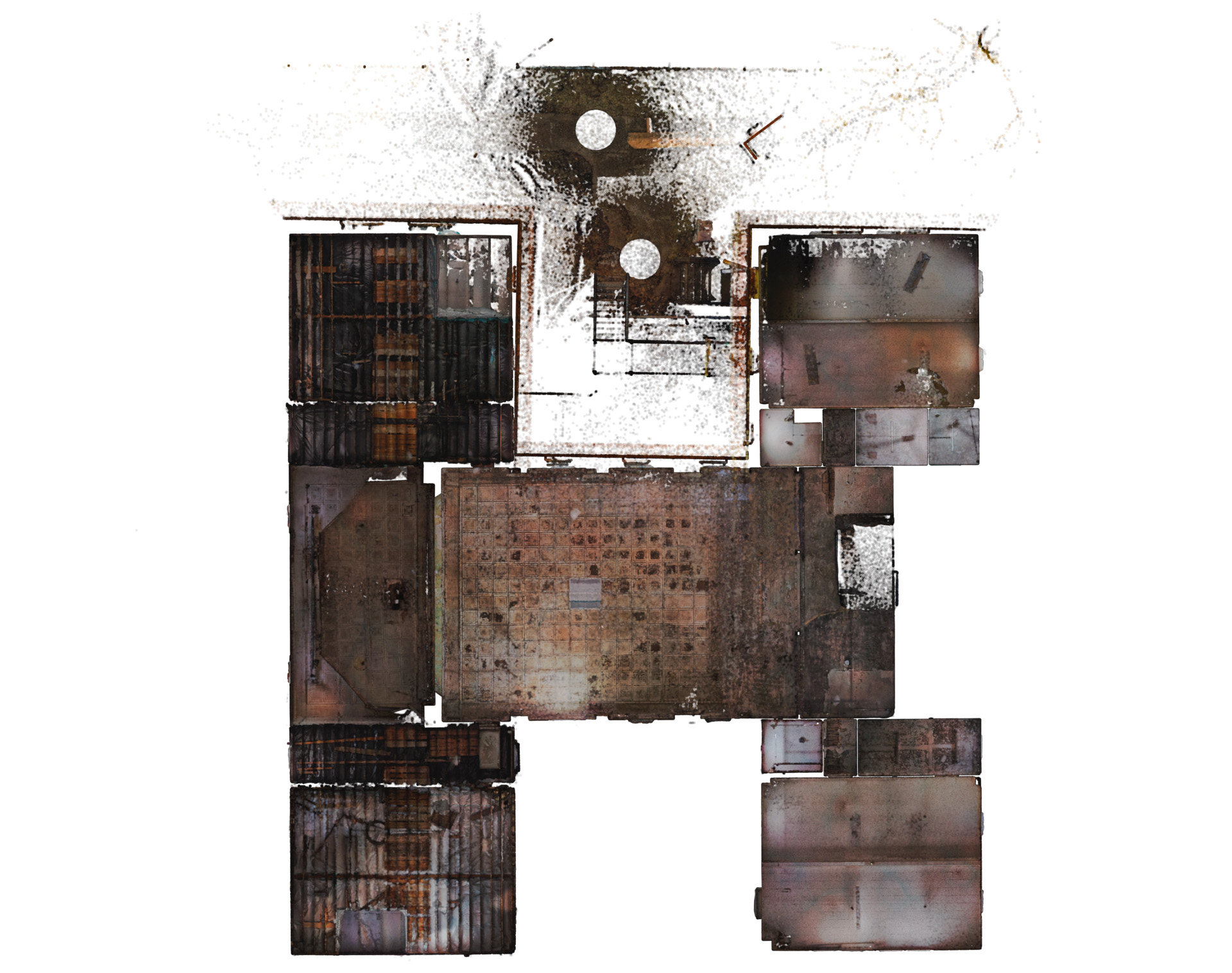
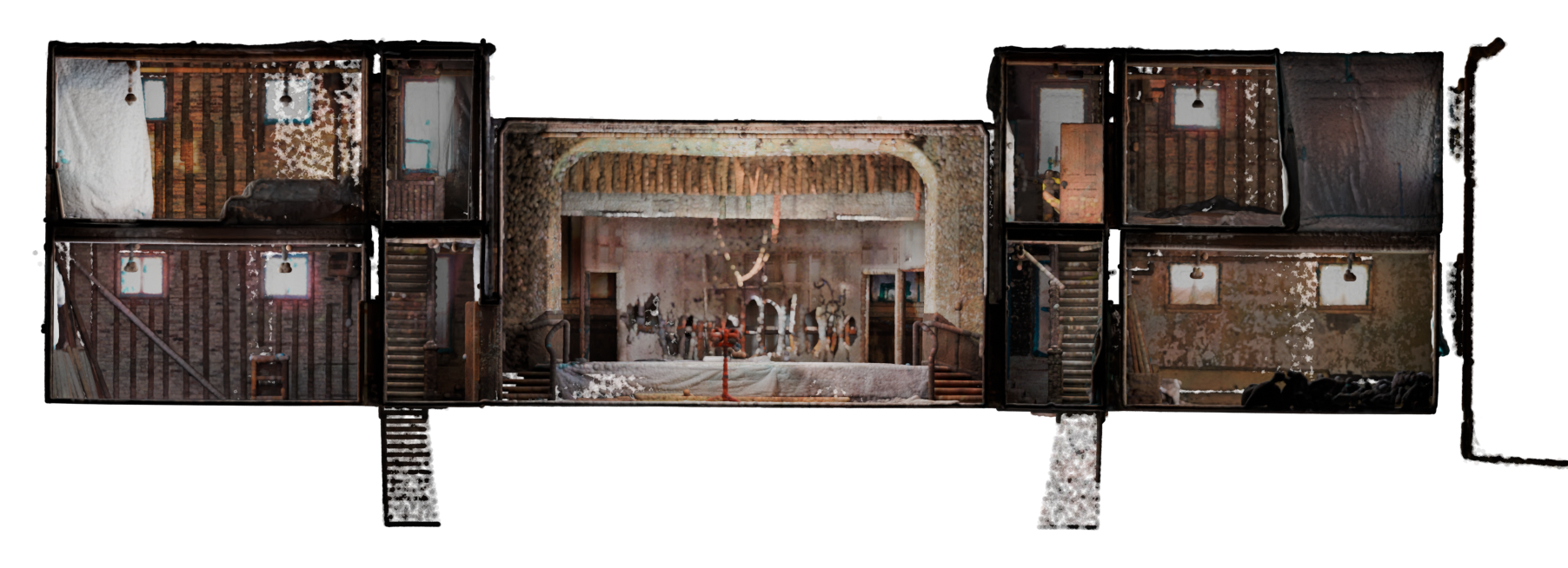
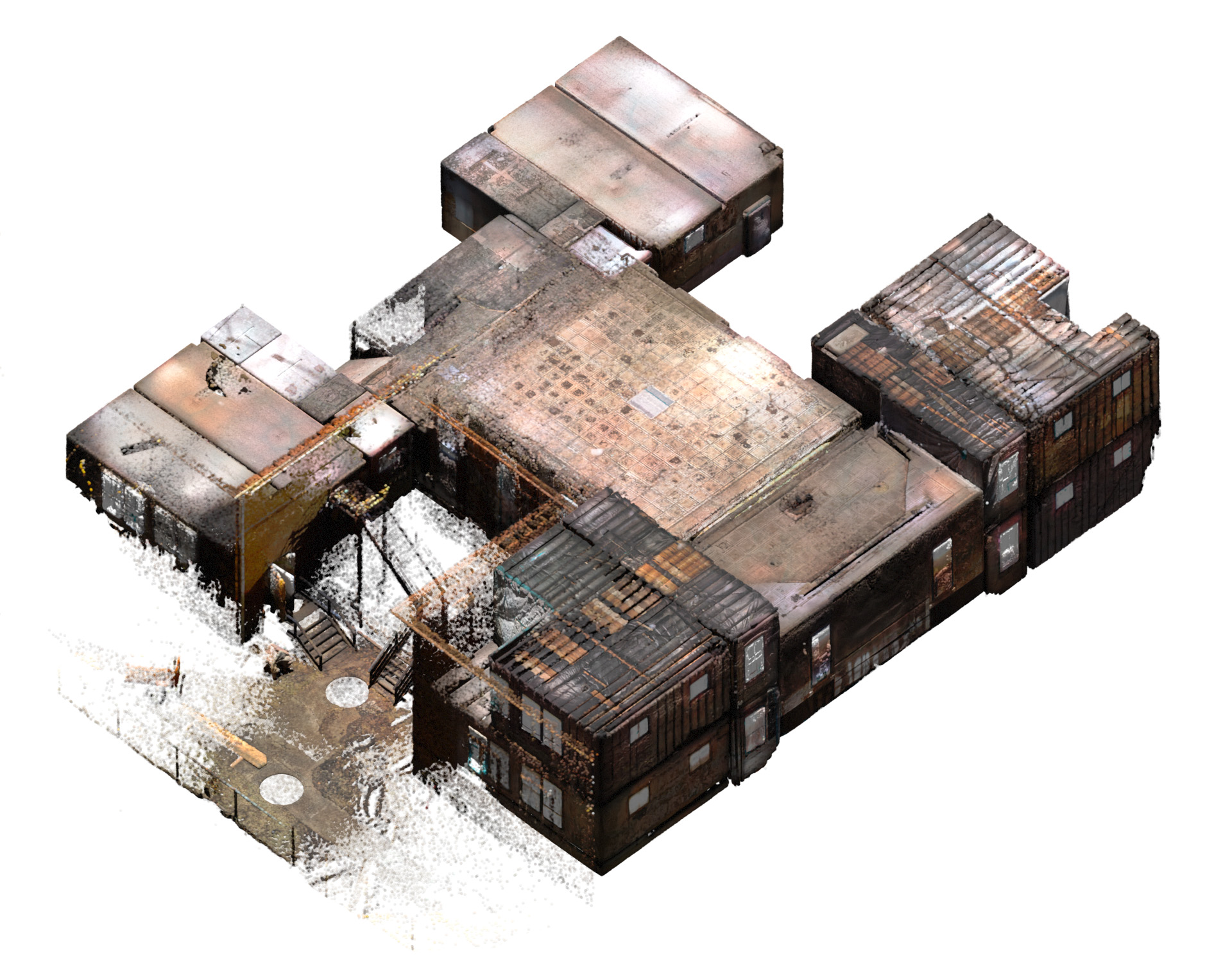
Our team is supporting the Saginaw Chippewa Tribe by utilizing LiDAR technology to map the buildings and landscape, guiding the renovation of the site. This project is dedicated to honoring the victims, remembering their stories, and fostering healing for their families and survivors.